- Impact Growth Capital Newsletter
- Posts
- Impact Growth Capital Newsletter
Impact Growth Capital Newsletter
The Warsh Shock vs. The Rate Reality

Impact Growth Capital
February 09, 2026
For Accredited Investors & Family Offices:
We do not market deals to the public.
We Grant Access to our specific investment thesis Barbell Strategy execution via Work Force Housing and Vertical SaaaS though our:
Investor Council
We are currently reviewing applications for new members. If you are focused on capital preservation and asymmetric growth, you may apply for access here.
This week at IGC:
We break down the metals crash, the Warsh nomination, and why market plumbing not panic should guide real asset investors.
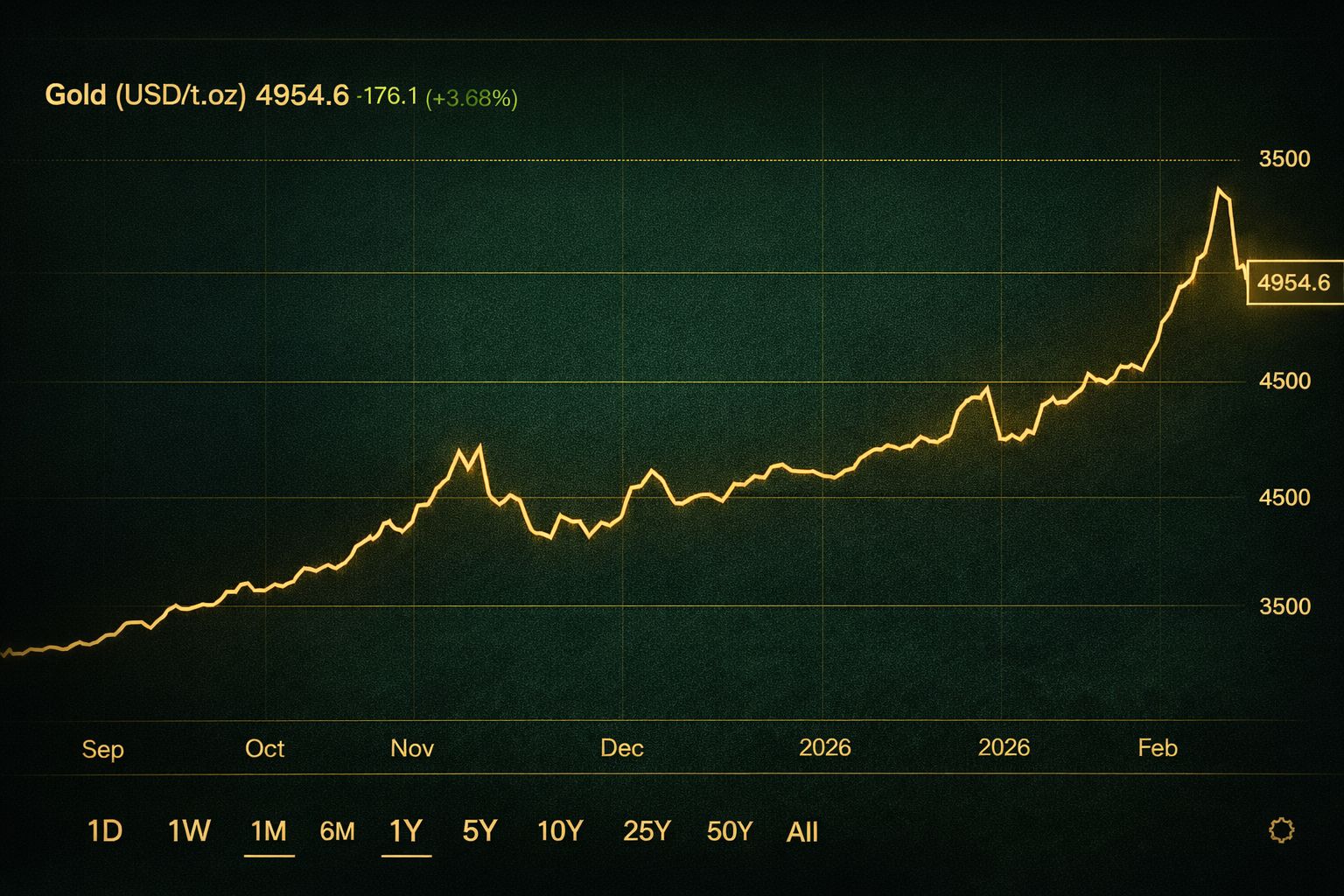
Gold Crashed 21% in Days. Here's What Actually Happened.
Last week looked like a regime shift. It wasn't. Here's how to separate market mechanics from economic reality and what matters for real asset investors.
The Shock: Most Violent Metals Move Since 1980
Gold hit $5,600/oz Thursday, crashed 21% by Monday
Silver collapsed 40% (from $121 to below $75)
Dollar rebounded from 4-year lows
WTI crude slipped to ~$63/bbl on Iran de-escalation
If you only watched headlines, you'd think the world changed overnight.
It didn't. The economy didn't change. The leverage did.
What Actually Happened: The Mechanical Trigger
On January 30, President Trump nominated Kevin Warsh a known monetary hawk as the next Federal Reserve Chair.
Markets immediately repriced rate cut expectations. The dollar bounced from its lowest level since 2022. Then came the mechanical trigger:

This is the critical distinction: Prices fell not because the economy deteriorated, but because leverage unwound.
Why This Matters for Real Estate Investors
Experienced capital allocators look past price action to the financial plumbing. Here's what the plumbing actually tells us:
1. The FOMC Hasn't Moved
January 28 (two days before Warsh announcement): The Fed held rates steady at 3.50–3.75%. Two governors dissented in favor of cutting. The actual policy path has not changed. The funds rate that drives real estate values and debt service costs remains unchanged.
2. Warsh Hasn't Been Confirmed
He still needs Senate approval. There are already signals of potential resistance. Powell's term doesn't expire until May. We are months away from any actual policy shift. Markets repriced expectations, not policy reality.
3. Oil's Decline Is Geopolitical, Not Economic
WTI fell to ~$63/bbl because Iran confirmed negotiations with the US in Oman reducing Middle East risk premium. Saudi Arabia also cut Asia crude pricing to lowest since late 2020. This is supply-side dynamics, not demand destruction. That's not recession pricing. It's risk premium removal.
4. Market Breadth Is Widening
The Equal Weight S&P 500 (RSP) has been outperforming cap-weighted indices. This is arguably the most important signal for real estate. It means the average company your tenants across industrial, retail, and workforce housing is healthy. Economic strength is broadening beyond mega-cap tech.
The Precious Metals Context
This was a positioning flush, not a structural reset.
Gold was up 66% year-to-date before the crash. Silver had nearly quadrupled. Sentiment was at "extreme greed" levels. A correction was inevitable the Warsh nomination was simply the catalyst.
The Structural Floor Remains Intact
Global gold demand surpassed 5,000 tons in 2025 for the first time on record (World Gold Council). Central banks added 863 tons the third consecutive year above historic averages. JPMorgan projects gold reaching $6,300/oz by year-end. The fundamentals didn't change. The leverage did.
Key Takeaway
When markets move violently, check three things: (1) Did policy actually change or just expectations? (2) Is this fundamental repricing or leverage unwinding? (3) What does market breadth tell you about the real economy? Last week's answer: Expectations changed, leverage unwound, but the real economy your tenants is strengthening.
How We're Responding
We are not adjusting underwriting models based on last week's volatility.
Debt assumptions remain steady. The Fed's actual rate path has not shifted. We still stress-test to 7% debt costs regardless of market expectations.
Credit assumptions are improving. Widening market breadth supports tenant solvency across industrial, retail, and workforce housing sectors.
Oil's move lowers input risk. Lower crude prices reduce construction and operating costsa tailwind for real estate operations, not a headwind.
We remain focused on acquiring cash-flowing real assets structured with subsidized capital Historic Tax Credits, C-PACE, LIHTC that provide downside protection regardless of paper market volatility.
Bottom Line
Financial markets trade positioning and leverage. Real assets generate cash flows from tenants who go to work every day. When headlines scream "regime shift," check the plumbing. Most volatility is mechanical, not structural.
Jesse Sells
Founder | Impact Growth Capital
Curious how this volatility is shaping real asset strategy?
Let’s walk through our current pipeline and capital stack approach.
Have a topic or question you want to see covered? Reply directly to this email.
